Why Snorkelling Matters
Looking Beneath the Surface
As someone who was lucky enough to grow up in and around the ocean, I don’t take for granted how comfortable I feel going to the beach, swimming around reefs, or jumping from a boat into deep water. Looking back, I realise that many of the things I associate with ocean confidence did not begin with surfing. They began much earlier through swimming, floating, diving down, exploring rocks, and spending long periods of time simply looking beneath the surface.
Every trip to the beach growing up involved a snorkel and facemask. Sometimes fins as well, if I could be bothered carrying them. We did not necessarily think of it as learning at the time. It was simply part of going to the beach. Some days there were waves and surfing became the focus. Other days the ocean was flat, and we spent hours exploring sandy stretches, seaweed gardens, gullies and reefs.
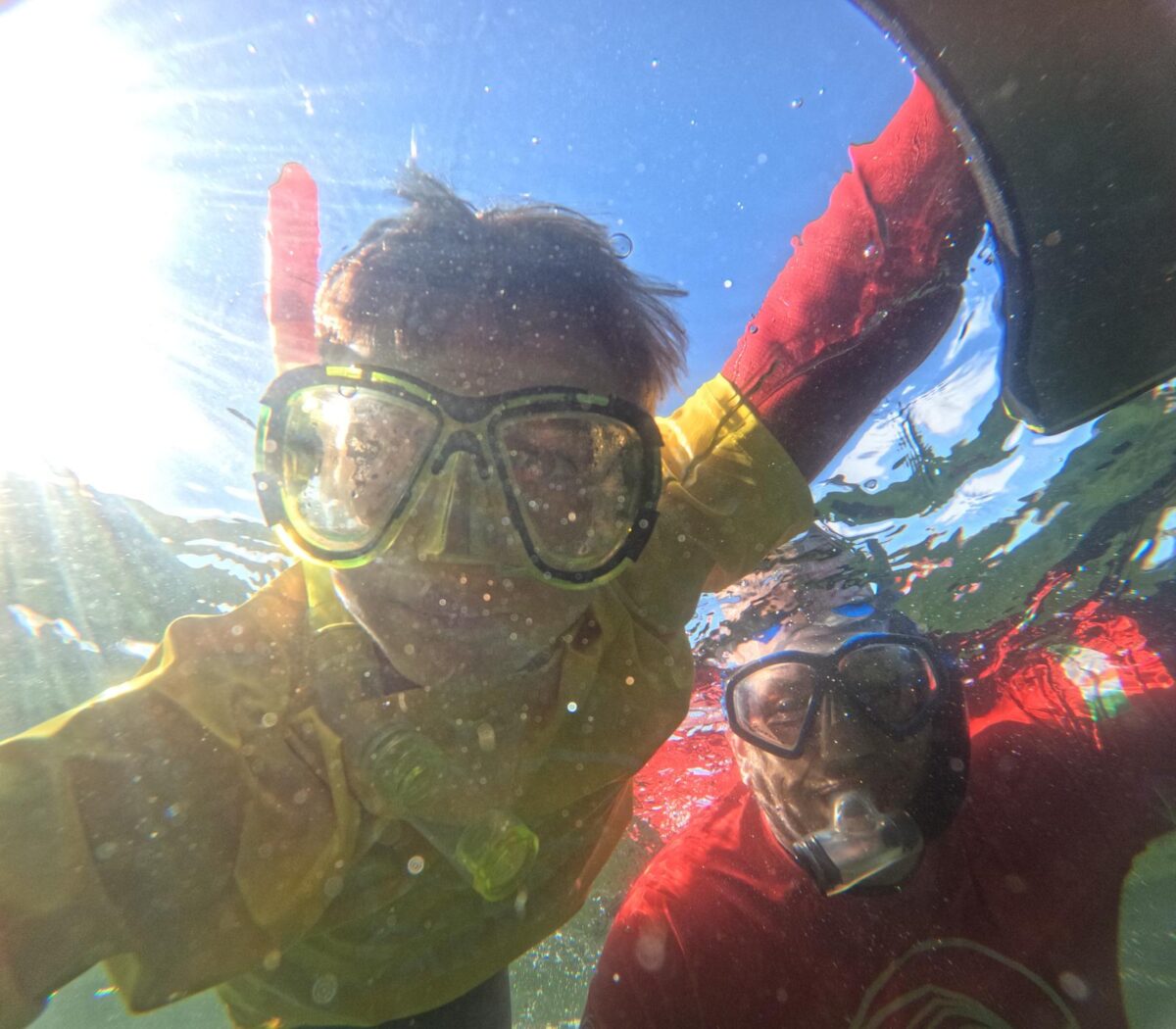
Looking back now, many of the foundations of ocean awareness were developed during those quieter moments.
It is interesting to see the growing interest in ocean activities around Ireland over recent years. More people are spending time near the coast, trying surfing, sea swimming, paddleboarding and other activities. This is a very positive change. At the same time, many people are arriving at the ocean without having developed a familiarity with the water itself.
Surfing often becomes the visible goal. It is what people see in photographs and videos. It is what many children and adults immediately want to try. However, snorkelling may often be the better place to begin.
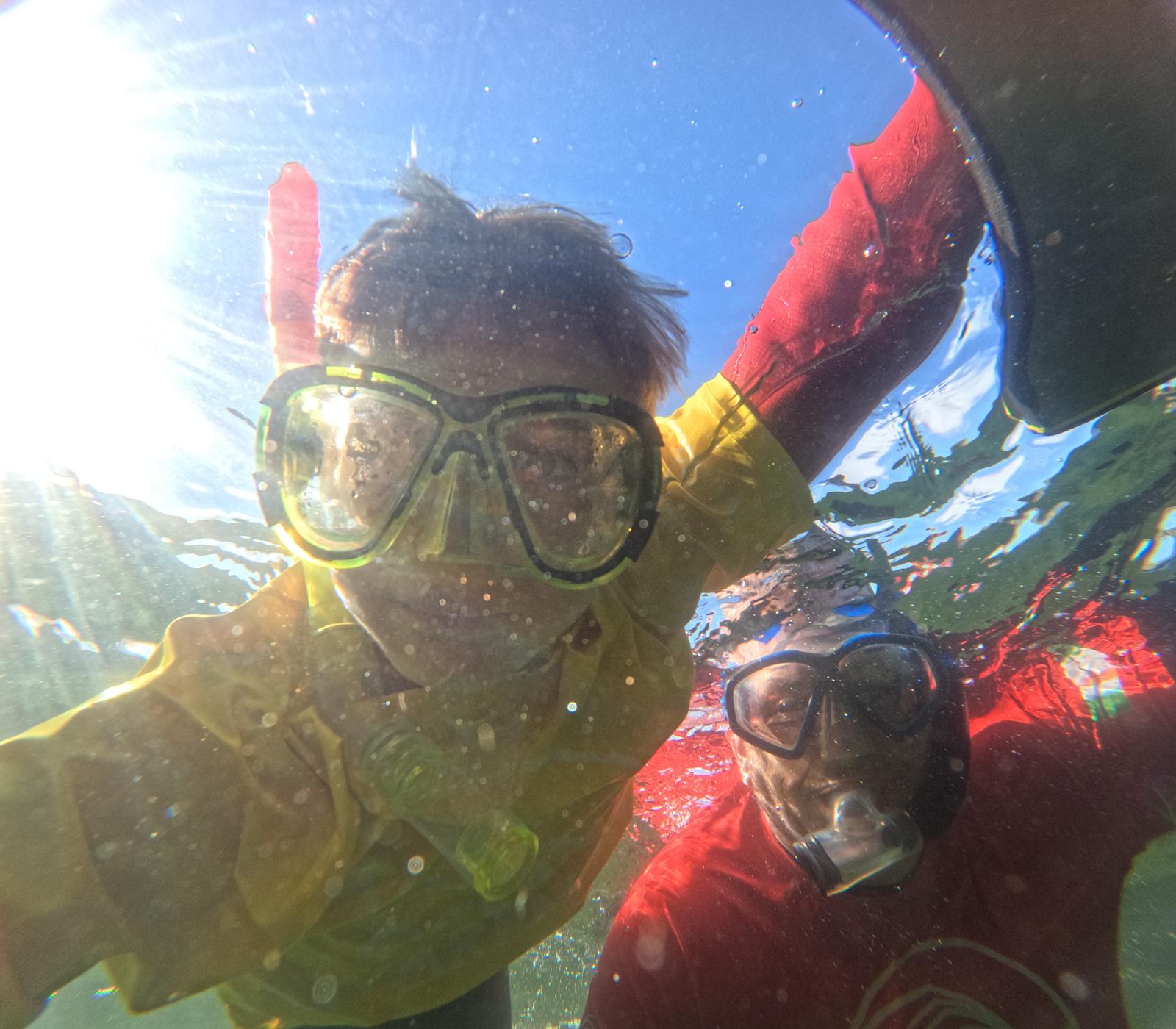
When people first put their face in the water and begin to breathe through a snorkel, something changes. The focus shifts away from performance and towards observation. Breathing slows. Movement becomes gentler. People begin to notice things. The underwater world suddenly becomes visible and the ocean starts to feel less intimidating.
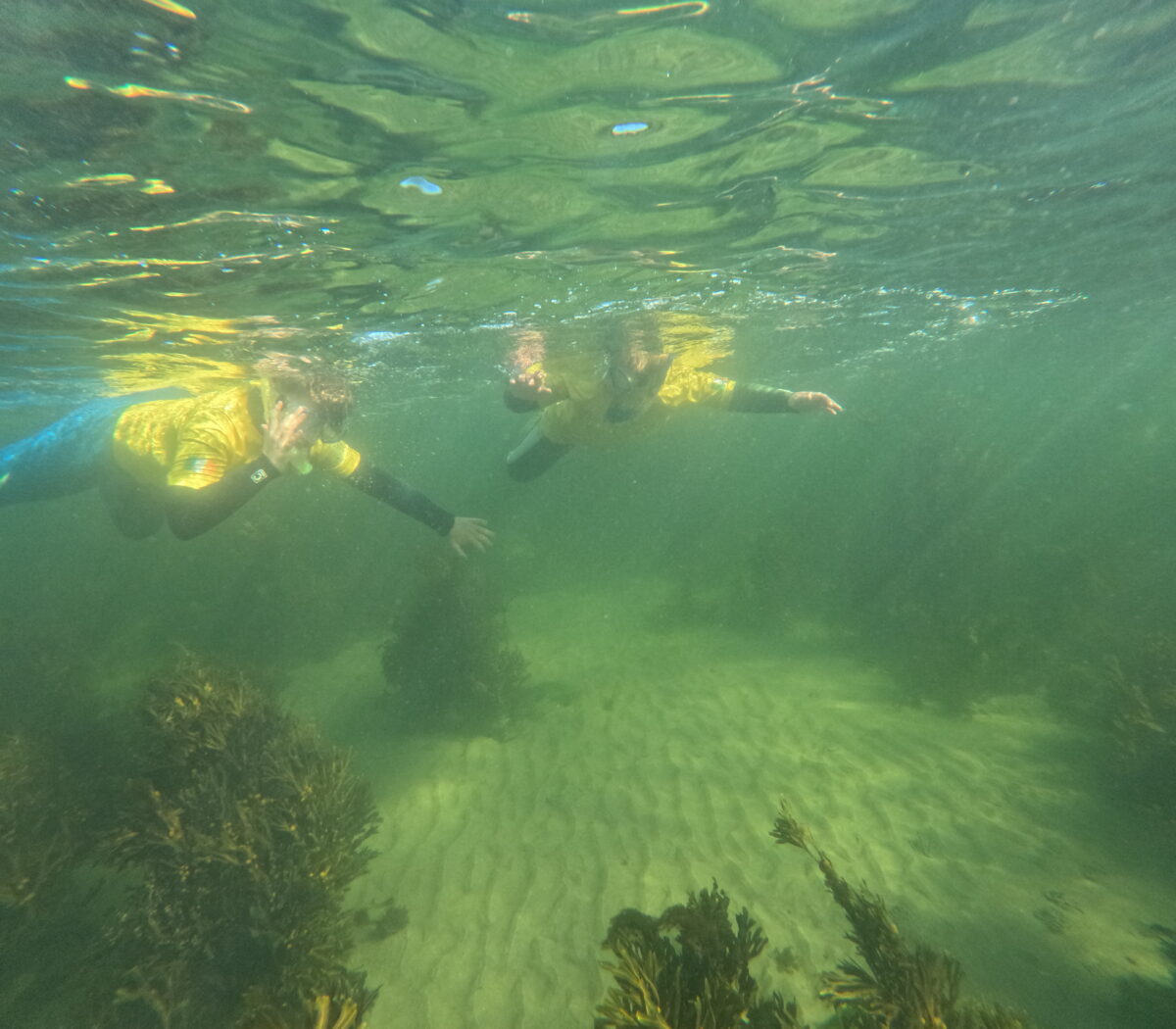
For many participants, this is the first time they have truly looked beneath the surface.
Snorkelling teaches a number of things at the same time. People learn to float and manage their own buoyancy. They become comfortable putting their face in the water. They learn to control their breathing. They experience how the water moves around their body. They begin to understand tides, currents, visibility and conditions. These lessons often happen quietly, without the participant even realising they are learning.
Children in particular seem to respond naturally to this type of exploration. Finding a starfish, watching small fish move through seaweed, or discovering a crab beneath a rock creates a sense of curiosity that is difficult to teach through instruction alone. The ocean becomes less about challenge and more about discovery.
This is one of the reasons snorkelling has become an increasingly important part of the Ocean Awareness approach. Not every day is suitable for surfing. Some days the conditions are too large, too windy or simply too flat. Rather than seeing those days as disappointing, they often become ideal opportunities to explore another part of the marine environment.
The ocean decides.
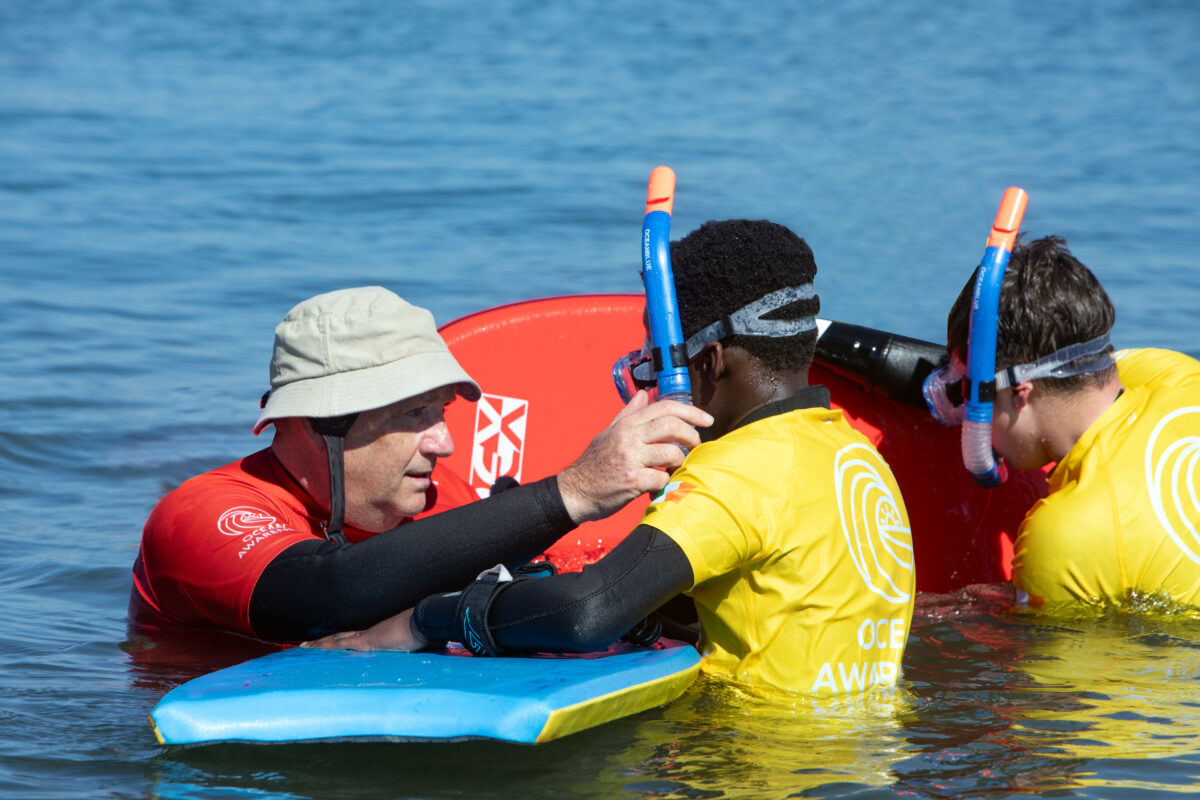
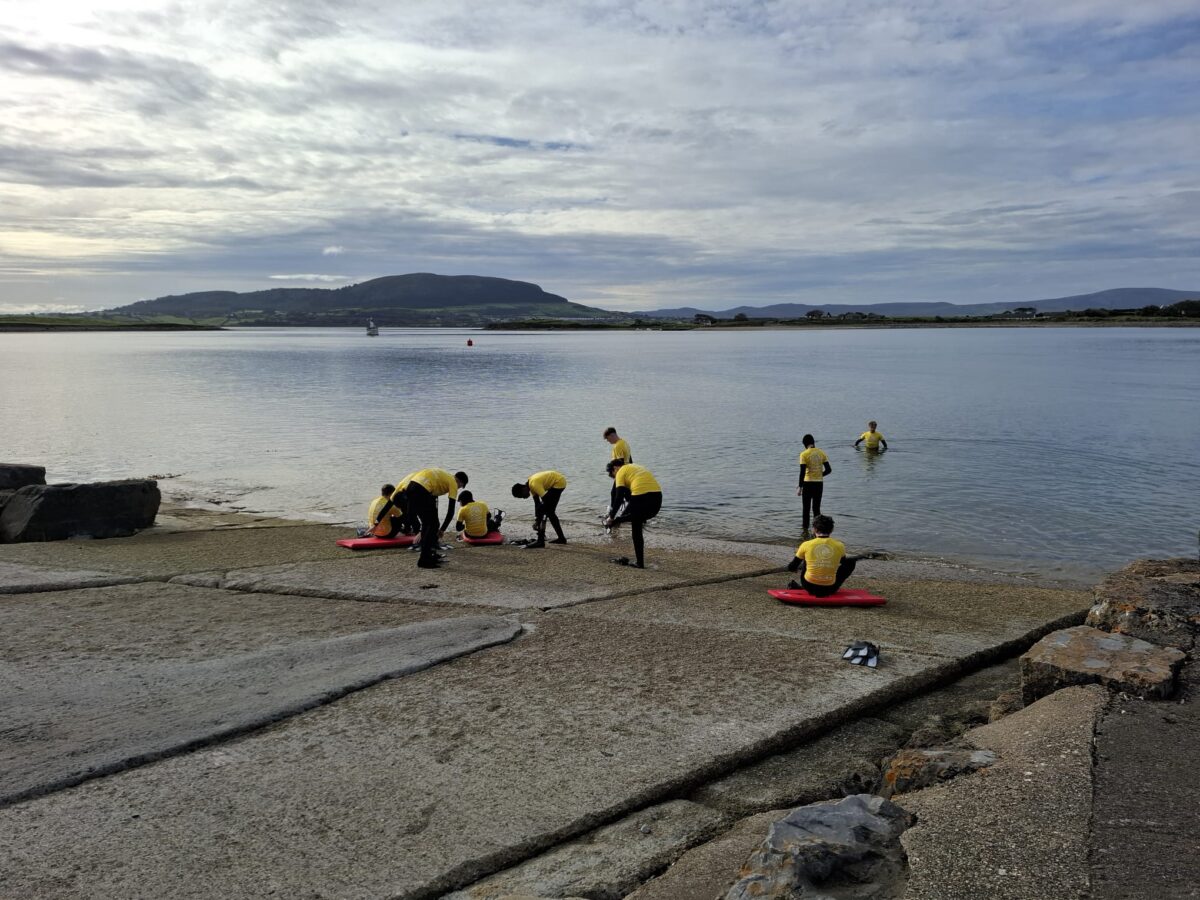
Flat conditions that may frustrate experienced surfers can provide perfect opportunities for introducing participants to snorkelling. Sheltered bays, calm corners of beaches and shallow reefs become outdoor classrooms. Participants who may feel nervous in breaking waves often become confident in calmer water where they can move at their own pace.
This gradual approach is particularly important for people who carry some fear of the water. Putting your face in the sea for the first time, breathing through a snorkel, floating comfortably, or diving beneath the surface are all significant steps. These experiences build confidence incrementally. They create positive experiences that can support future participation in surfing, sailing, kayaking, swimming or simply spending more time near the coast.
There is also something deeply calming about snorkelling. Your breathing becomes the dominant sound. The movement of water slows your thinking. Your attention narrows to what is directly beneath you. Many people describe feeling relaxed and present in a way that is difficult to achieve elsewhere.
Blue Mind Theory describes the mildly meditative state people often experience when they are near, in, under or beside water. Snorkelling perhaps captures this feeling particularly well. The world above the surface becomes quieter, and for a short period of time, your attention belongs entirely to the water.
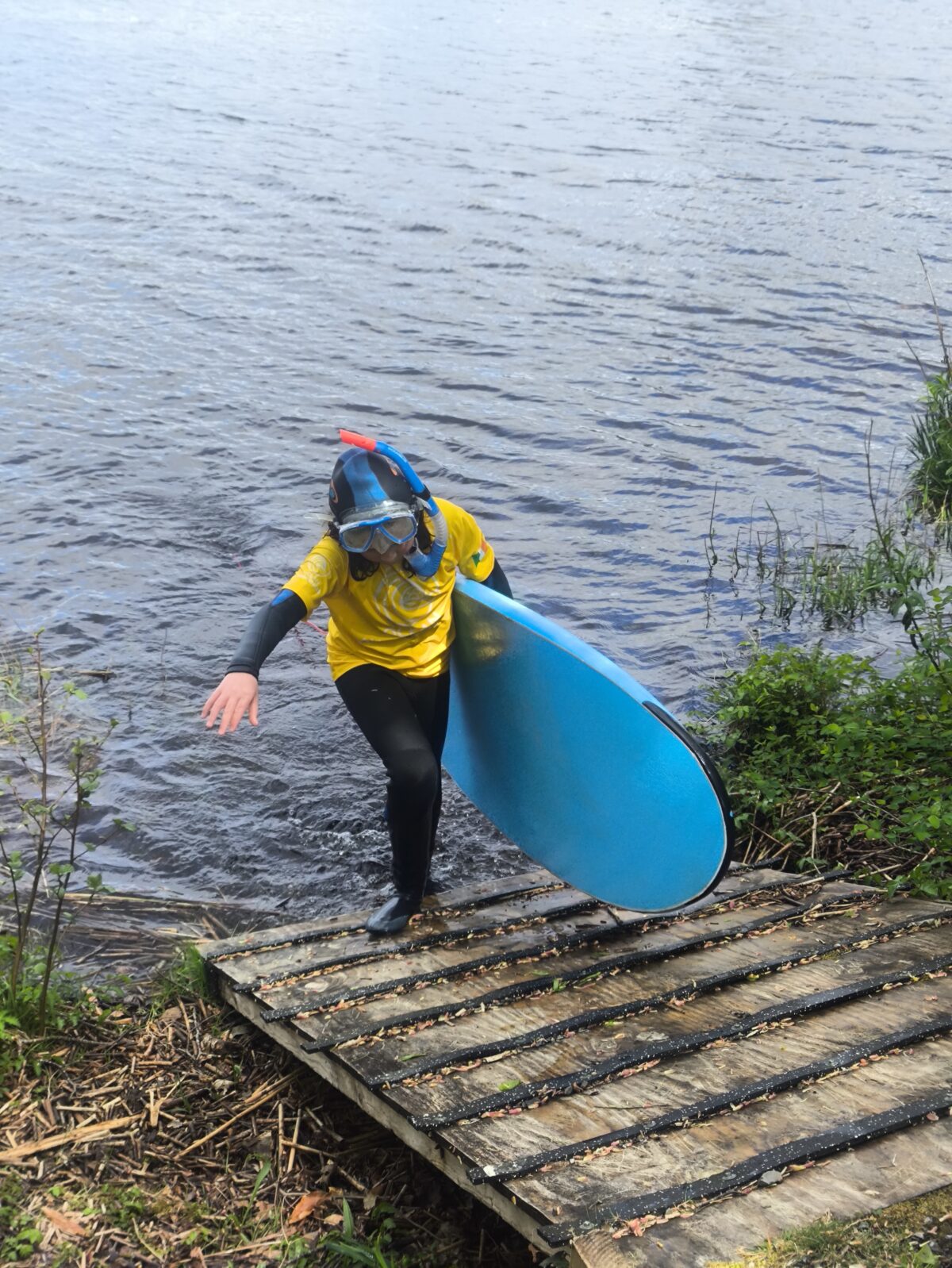
At the same time, snorkelling teaches respect. Conditions change. Visibility changes. Tides move. Weather shifts. The underwater environment reminds us that we are visitors. We begin to appreciate that the ocean is not simply a playground but a living environment that requires care and attention.
In Ireland, there can still be a perception that ocean activities belong to strong swimmers, experienced surfers or particularly adventurous people. Snorkelling offers another pathway. It is often slower, quieter and more accessible. It allows people to engage with the ocean through curiosity rather than performance.
The more time I spend introducing people to the ocean, the more convinced I become that these early experiences matter. A positive first encounter with the water can shape confidence, health, environmental awareness and a person’s relationship with the coast for years to come.
Many of the most experienced surfers, sailors and ocean users did not begin by standing on a board. They began by swimming, exploring and spending time in the water.
Sometimes the first step into the ocean is not catching a wave.
Sometimes it is simply putting on a mask, taking a breath, and looking beneath the surface.