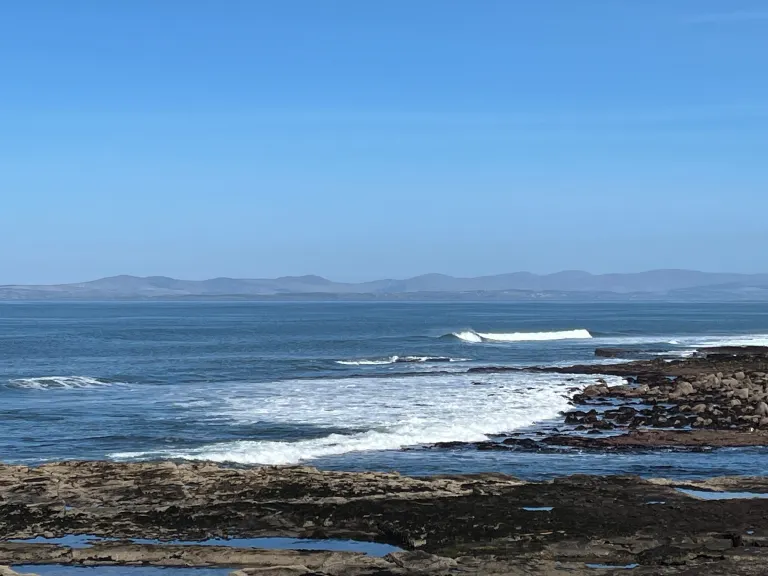

Spending enough time around the ocean begins to teach you something quite simple. No matter how much planning you do, the conditions ultimately lead the way. The tide moves, the wind shifts, a swell arrives from a slightly different direction than expected, and the coastline responds. Over time you begin to realise that while we may prepare carefully for time in the water, it is the ocean that quietly determines what is possible on any given day.
This idea sits at the centre of how I approach most coastal activities. Whether I am deciding to go for a surf, organise a snorkelling session, run a Seashore Safari, or simply take a group on a coastal walk, the starting point is always the same. I look first to the conditions. Charts, weather patterns and tides all offer clues. Years of spending time along the coast gradually add another layer of understanding. Certain winds suit certain beaches. A particular swell direction might bring one stretch of coastline to life while leaving another calm and sheltered. Tides reshape sandbanks and alter the character of the shoreline from one week to the next.
Local knowledge develops slowly through repetition. You begin to recognise which locations offer protection when the wind swings north, which reefs handle larger swell, and which quiet corners of the coast are ideal for introducing beginners to the water. A sheltered bay might be perfect for snorkelling or a first experience exploring the intertidal zone. A more exposed stretch of coast may suit experienced surfers who are comfortable reading the water and adjusting to changing conditions.
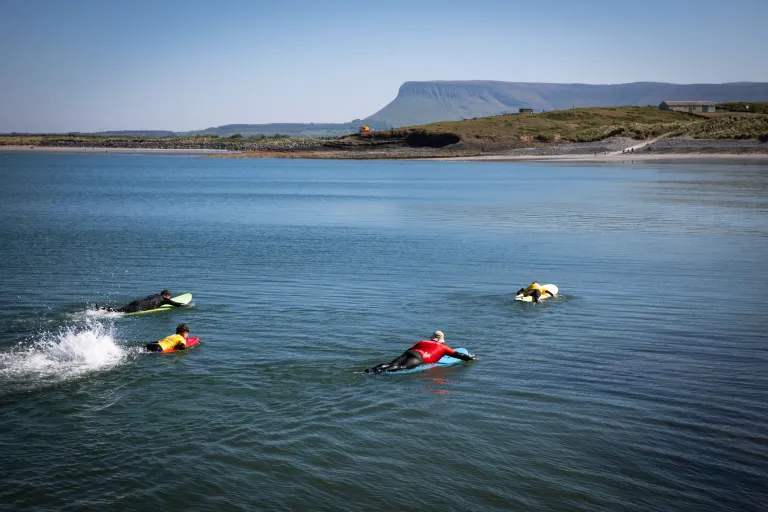
The people involved always shape those decisions as well. The age of participants, their confidence in the water, the number in a group, and the purpose of the session all matter. A surf session with teenagers who already understand the rhythm of the ocean looks very different from a session introducing children to rockpools or exploring the shoreline through a Seashore Safari. At other times the focus may shift away from the water altogether, towards coastal walks, local maritime culture, or simply observing how wind, tide and geology interact along the shore.
In this way, planning ocean sessions becomes less about imposing a fixed structure and more about responding to what the environment is offering. Some days invite people into the water. Other days suggest that observation from the shoreline will offer richer learning. There are times when conditions align perfectly with the activity you had hoped to run, and other moments when the best decision is to change direction entirely.

This approach naturally leads to gradual progression. Confidence in the ocean rarely develops through big leaps. It builds through small, positive encounters with the environment. A child learning to float comfortably in calm water may later feel ready to explore deeper water. A young surfer who first experiences small, forgiving waves will gradually develop the awareness needed to handle larger conditions. Each step creates a foundation for the next.
In outdoor education, natural environments are often described as powerful teachers. The ocean demonstrates this constantly. It offers immediate feedback. If conditions change, you notice quickly. If you misjudge something, the lesson arrives clearly. Over time these experiences build judgement, patience and awareness in ways that classroom learning alone cannot.

This is also where safety becomes something more than rules or equipment. While preparation and good gear are important, true safety in the ocean develops through understanding. It comes from learning how tides behave, recognising wind shifts, reading the water, and knowing when to step back. It comes from experience shared with others and from the quiet habit of observing conditions before entering the sea.
Perhaps the most valuable lesson the ocean offers is humility. The more time you spend around it, the clearer it becomes that control is largely an illusion. Plans can change with the tide. A calm morning can turn energetic within hours. A location that worked perfectly yesterday may be unsuitable today.
And so the rhythm becomes familiar. You check the charts. You watch the weather. You consider the tides and the wind direction. You think about who is joining you and what kind of experience will suit them best. And then you look out at the water and decide what is possible.
Because in the end, the ocean decides.