
When Nature Becomes the Teacher
One of the more interesting observations I’ve made over the last few years is that some of the richest learning I’ve witnessed hasn’t happened while I was teaching at all. It has happened afterwards, or perhaps more accurately, once I had stopped trying to direct every part of the experience.
This wasn’t something I set out to discover. Like many educators and coaches, my instinct was often to explain a little more, demonstrate again, or offer another piece of advice if someone appeared unsure. It came from wanting participants to succeed and to enjoy themselves. Looking back now, I realise there were many occasions where the learning had already begun, and my role was no longer to add more information but simply to give it room to develop.
A recent woodland programme brought this home again. We had prepared a series of activities with clear intentions and learning outcomes. As the morning unfolded, we found ourselves offering fewer choices than originally planned. Rather than reducing the experience, it seemed to deepen it. The participants became absorbed in what they were doing. They moved between exploring, talking, building and observing without much prompting from us. Time seemed to disappear. It was only later that someone pointed out we had gone well beyond lunch without anybody asking to stop.
That stayed with me.
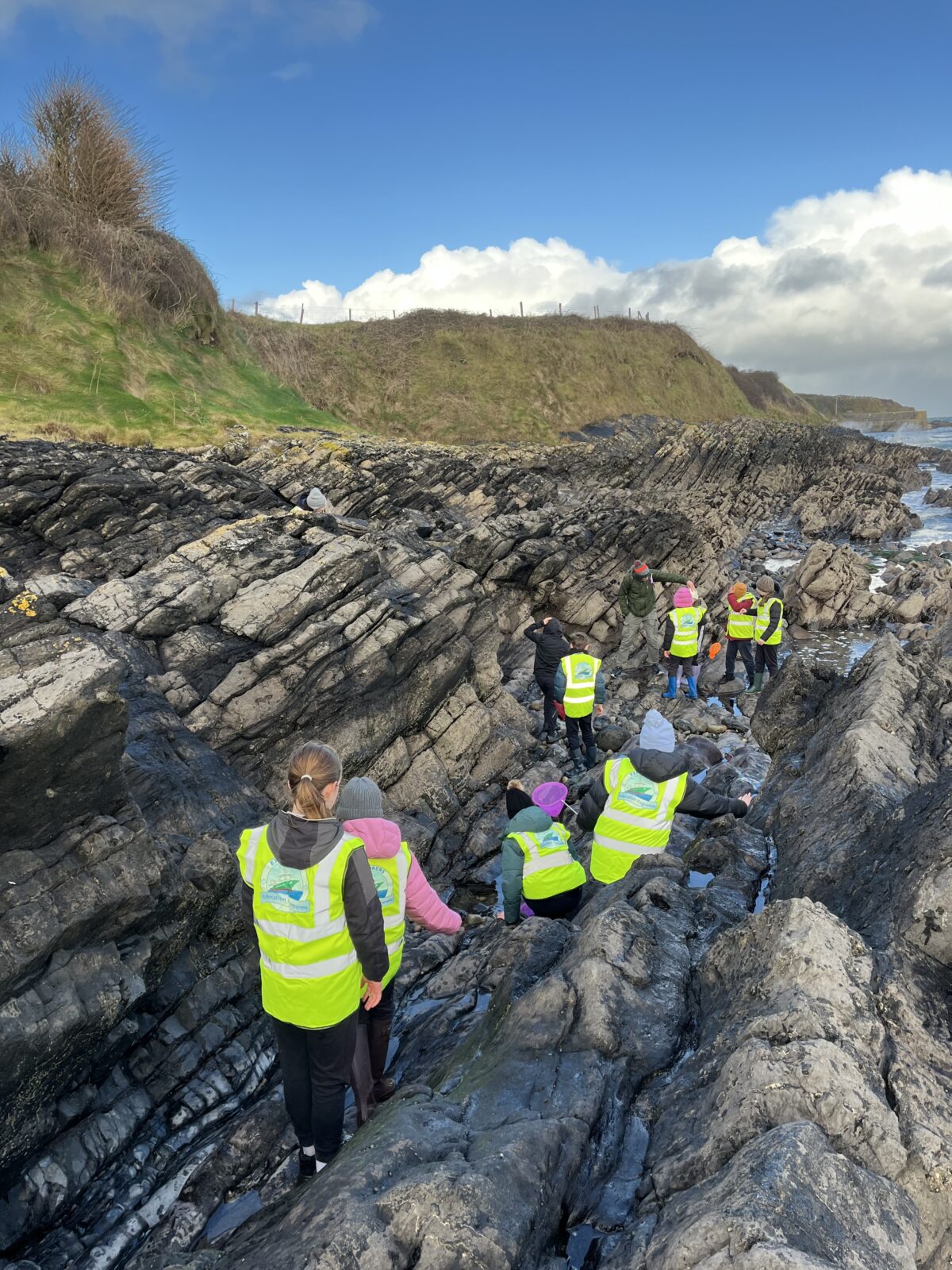
It reminded me of similar moments I’ve experienced on the shoreline. A child discovering a crab beneath a rock. A group standing quietly watching a flock of birds move along the tide line. Someone finding enough confidence to place their face in the water with a snorkel for the first time and suddenly becoming fascinated by what lay beneath them. None of these moments were written into a lesson plan, yet they often became the moments people remembered.
They also became the moments that shaped future behaviour.
When I think back to my own childhood around the coast, I don’t remember many formal lessons. I remember spending hours exploring. Turning over rocks. Swimming through seaweed. Following fish around reefs. Wondering why one part of the beach looked different after a storm. Without realising it, I was slowly learning how the ocean worked. More importantly, I was developing a relationship with it.
Perhaps that is one of the great strengths of learning in natural environments. Curiosity arrives before instruction.
Children seem to understand this instinctively. They rarely need encouragement to investigate a rockpool or follow a trail of shells along the beach. Their questions emerge naturally from what they are experiencing. Adults, on the other hand, often feel a responsibility to provide answers immediately. As educators we can fall into the same habit. We want to explain what something is before allowing participants the opportunity to wonder what it might be.
Over time I’ve become more comfortable allowing those moments to breathe.
That doesn’t mean stepping away from our responsibilities. Preparation remains essential. Safety remains essential. Choosing appropriate locations, reading the weather, understanding tides and knowing the group all remain central to good outdoor education. Those things create the conditions in which exploration can happen safely.
Perhaps that is the role of the educator.
Not to control every experience, but to create an environment where meaningful experiences are more likely to occur.
It is a small distinction, but an important one.
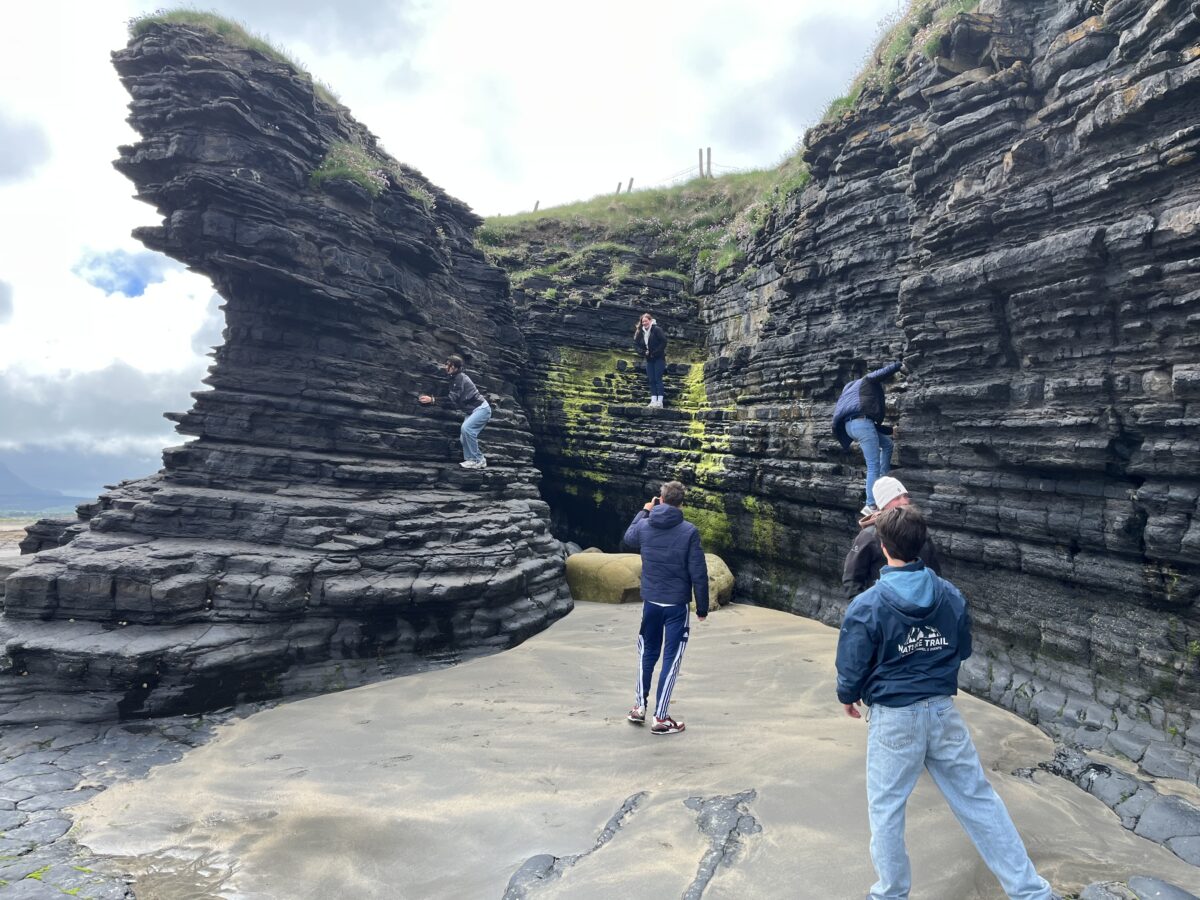
When planning an Ocean Awareness session, I find myself asking different questions now than I did years ago. Rather than beginning with the activity, I begin with the conditions. What is the ocean offering today? What opportunities do these conditions present? Where are participants likely to feel both challenged and comfortable? What is the simplest activity that might open the greatest opportunity for discovery?
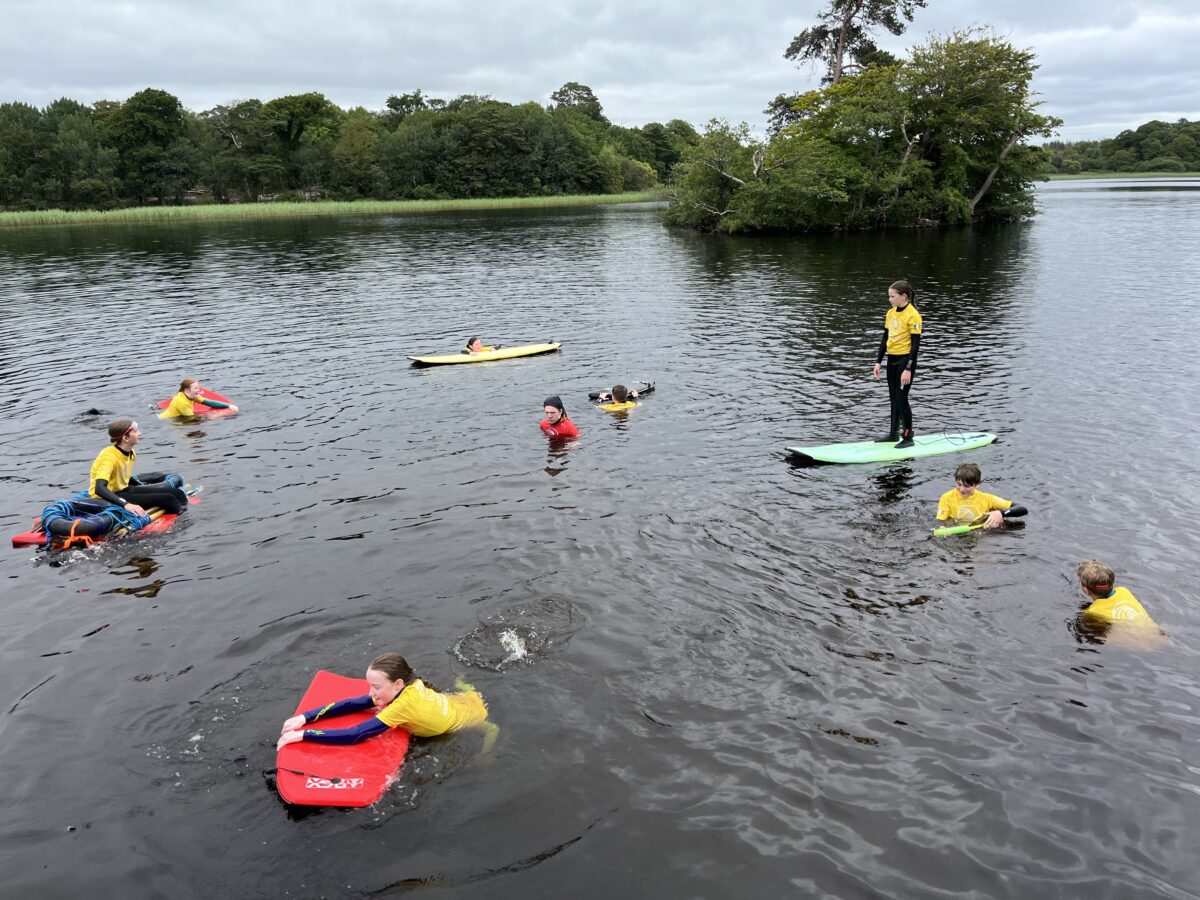
Sometimes that leads us towards surfing.
Sometimes it leads us towards snorkelling.
Sometimes it means exploring the intertidal zone or simply walking a stretch of coastline that has changed since the previous tide.
The ocean decides.
Our role is to recognise what those conditions make possible.
This way of thinking has gradually shaped the philosophy behind Ocean Awareness. The programmes have become less about delivering a particular activity and more about creating learning pathways through coastal environments. Every session is slightly different because every day on the coast is different. The learning emerges through those differences rather than despite them.
Looking back, many of the outcomes that matter most are difficult to measure. Confidence grows quietly. Curiosity deepens over time. Respect for the natural world develops through repeated positive experiences rather than a single memorable event. A child who spends twenty minutes watching a starfish may not remember every fact they were told that day, but they are far more likely to remember how they felt being there.
Perhaps that is what nature does so well.
It reminds us that learning is rarely something we can force. We can prepare for it. We can encourage it. We can create the right conditions for it to happen. But there comes a point where the environment itself takes over.
Some of the most valuable lessons the ocean has taught me have come during those moments when I stopped trying to teach quite so much and simply paid attention to what was already unfolding.
Nature, it seems, is a remarkably patient teacher.
Sometimes our most important role is simply to know when to step aside.